
Creative Ways to Organize Small Living Spaces for Maximum Comfort and Functionality
Making the most of a small living space can feel like a challenge, especially when you want to create a home that’s not only comfortable but also functional. Whether you live in a studio apartment, a tiny house, or simply have a room that feels cramped, smart organization strategies can transform your space. This post will explore creative ways to organize small living spaces, helping you maximize every inch with style and ease.
Understanding Small Space Challenges
Living comfortably in a small area is all about making smart decisions with your layout, furniture, and storage solutions. Common challenges include lack of storage, clutter, limited furniture options, and making sure the space doesn’t feel overcrowded.
The good news is that with thoughtful planning and innovative ideas, you can overcome these obstacles and enjoy a space that feels open, airy, and inviting.
1. Multi-Functional Furniture: Do More with Less
One of the best ways to save space is by choosing furniture that serves more than one purpose.
– Sofa Beds and Daybeds: Great for small living rooms or studios, these pieces provide seating during the day and sleeping space at night.
– Storage Ottomans: Use these as seating, footrests, and hidden storage for blankets, books, or toys.
– Foldable Tables and Chairs: These can be tucked away when not in use, freeing up floor space.
– Wall-Mounted Desks: A compact workspace that doesn’t eat into valuable floor area.
By investing in furniture that pulls double duty, you reduce clutter and keep your living space adaptable for various needs.
2. Vertical Space: Think Upwards
When floor space is limited, expanding upwards is an excellent solution.
– Tall Shelving Units: Use bookcases or shelves that reach the ceiling to store books, decorative items, or containers.
– Wall Hooks and Pegboards: Perfect for hanging bags, coats, kitchen tools, or even plants.
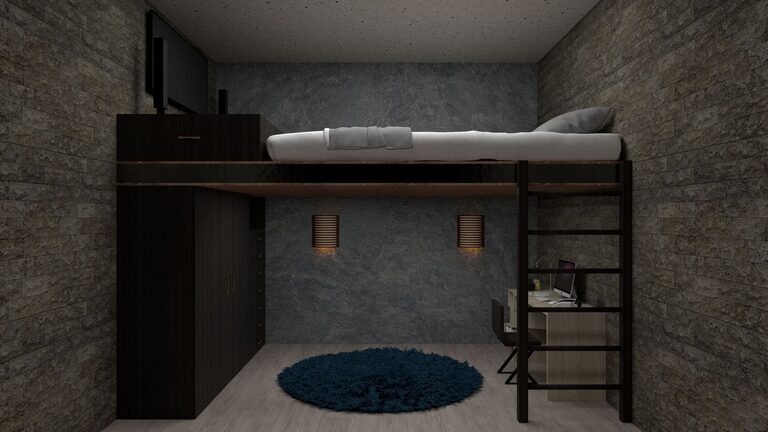
– Lofted Beds: Especially in studio apartments, lofting your bed frees up the space below for a desk, sofa, or storage.
– Hanging Storage: Baskets or organizers attached to walls or under cabinets can hold small items neatly.
Utilizing vertical space helps keep the floor clear and makes the room feel larger.
3. Smart Storage Solutions: Keep Clutter at Bay
Organizing your belongings efficiently is key in a small space.
– Under-Bed Storage: Invest in rolling bins or drawers that fit under your bed to store out-of-season clothes or shoes.
– Closet Organizers: Use hanging shelves, shoe racks, and slim hangers to maximize closet space.
– Storage Bins and Boxes: Clear containers make it easier to find items, and stacking helps save space.
– Furniture with Hidden Storage: Look for benches or coffee tables that include storage compartments.
Regularly decluttering and assigning specific places for your items keeps your space neat and functional.
4. Zoning Your Space: Define Areas Clearly
In open or small floor plans, dividing the space into zones enhances comfort and usability.
– Rugs to Define Areas: Different rugs can visually separate living, dining, or working areas.
– Room Dividers: Lightweight screens, curtains, or open-shelving units can create privacy and distinct zones without closing off space.
– Furniture Placement: Arrange seating and tables in ways that naturally create separate functions.
Zoning helps you feel organized and reduces the sense of chaos, making a small space more livable.
5. Light and Color: Create an Open, Inviting Atmosphere
How you use light and color can greatly impact the feel of your small space.
– Natural Light: Keep windows unobstructed by using sheer curtains or none at all to brighten the room.
– Mirrors: Strategically placing mirrors reflects light and gives the illusion of more space.
– Light Colors: Whites, pastels, and neutral tones make rooms feel larger and airier.
– Accent Colors: Use pops of color in decorative pillows, art, or rugs to add personality without overwhelming.
Bright, well-lit spaces feel more comfortable and spacious.
6. Daily Habits to Maintain Organization
Keeping your small living space organized requires some simple habits.
– Regularly Purge: Donate or discard items you no longer use or need.
– Put Things Away Immediately: Avoid piling up clutter by storing items right after use.
– Limit New Items: Be mindful when bringing new things into the space.
– Create a Daily Cleaning Routine: Even 10 minutes a day can help keep your space tidy.
Consistency is key in maintaining the comfort and functionality of a small home.
Final Thoughts
Organizing small living spaces may require some creativity, but the results are rewarding. By incorporating multi-functional furniture, using vertical space wisely, investing in smart storage, zoning your space thoughtfully, and choosing lighting and colors purposely, you can create a home that feels both comfortable and highly functional. Remember that maintaining simple daily habits will keep your organized space feeling fresh and welcoming. With these creative strategies, even the tiniest spaces can become your favorite places to live.