
Tips for Creating a Relaxing Home Workspace to Boost Productivity
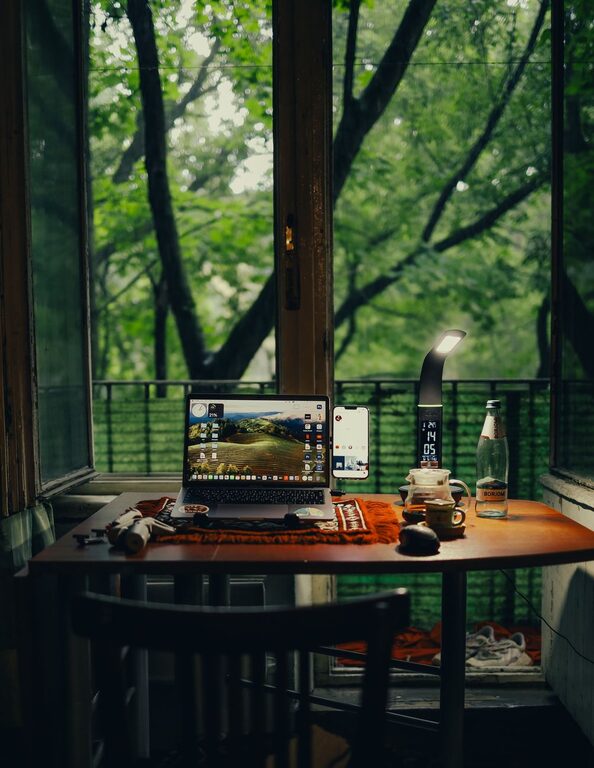
Creating a comfortable and calming home workspace is essential for maintaining productivity, especially as many people continue to work remotely. A well-designed space can reduce stress, minimize distractions, and help you stay focused on your tasks. In this post, we’ll explore practical tips for setting up a relaxing home workspace that supports efficiency and well-being.
Why a Relaxing Workspace Matters
Your environment directly affects your mood and ability to concentrate. Working in a cluttered or uncomfortable space can lead to fatigue and frustration. Conversely, a soothing workspace encourages creativity, motivation, and sustained energy. By intentionally designing your area, you create a positive cycle where relaxation and productivity go hand in hand.
Choose the Right Location
Find a Quiet Spot
Select a part of your home that is relatively quiet and free from interruptions. A corner of a spare room, a nook in the living area, or even a section of your bedroom can work as long as it offers privacy and minimal noise.
Consider Natural Light
Natural light boosts mood and alertness. Position your desk near a window, if possible, to enjoy daylight. If natural light is limited, invest in good quality lighting that mimics daylight to reduce eye strain.
Invest in Comfortable Furniture
Ergonomic Chair and Desk
Comfort is crucial for long hours of work. An ergonomic chair with adjustable height and lumbar support helps maintain good posture. Pair it with a desk that fits your workflow, whether it’s traditional or adjustable standing desk.
Declutter Surfaces
A clean workspace reduces mental clutter. Keep your desk surface tidy by only having necessary items within reach. Use organizers for stationery and cables to maintain neatness.
Personalize Your Space
Adding personal touches makes your workspace inviting without becoming distracting.
– Plants: Indoor plants improve air quality and add a calming natural element.
– Artwork: Choose inspiring or soothing art that makes you feel relaxed.
– Colors: Soft, neutral colors like pale blues, greens, or earth tones promote tranquility.
Manage Technology Wisely
Use Noise-Cancelling Tools
If background noise is an issue, noise-cancelling headphones or white noise machines can help you maintain focus.
Minimize Screen Glare
Position your computer screen to avoid glare from windows or lights to prevent eye strain.
Create Zones for Different Activities
If your workspace allows, carve out distinct areas for different tasks:
– Focused Work Zone: For computer work, writing, and tasks requiring concentration.
– Creative Zone: A spot with supplies for brainstorming or designing.
– Break Zone: A small area with a comfortable chair to relax during short breaks.
This separation helps your brain switch modes and refreshes your mind.
Incorporate Relaxation Techniques
Take Regular Breaks
Use techniques such as the Pomodoro method (25 minutes work, 5 minutes break) to maintain productivity and prevent burnout.
Add Aromatherapy
A subtle diffuser with essential oils like lavender or eucalyptus can create a calming atmosphere.
Maintain Good Air Quality
Open windows if possible or use an air purifier to keep fresh air circulating.
Optimize Organization and Storage
A clutter-free environment allows you to focus better.
– Use shelves, drawers, or filing cabinets to store documents and supplies.
– Label containers and folders for easy access.
– Digitize paperwork when possible to reduce physical clutter.
Maintain a Consistent Routine
Set regular work hours and stick to them. This structure helps your mind associate the workspace with productivity and clear separation from relaxation time.
Final Thoughts
Designing a relaxing home workspace doesn’t mean sacrificing functionality. When comfort meets organization, and personal touches blend with practical setup, your environment becomes a powerful tool for increased focus and productivity. Start small with a few changes and build your ideal workspace over time. Your mental wellbeing—and your work output—will thank you.
—
A relaxing, well-organized workspace can truly transform your work-from-home experience. Take the time to craft a space that supports both your professional and personal well-being, and notice the positive impact it makes each day.
Related Post
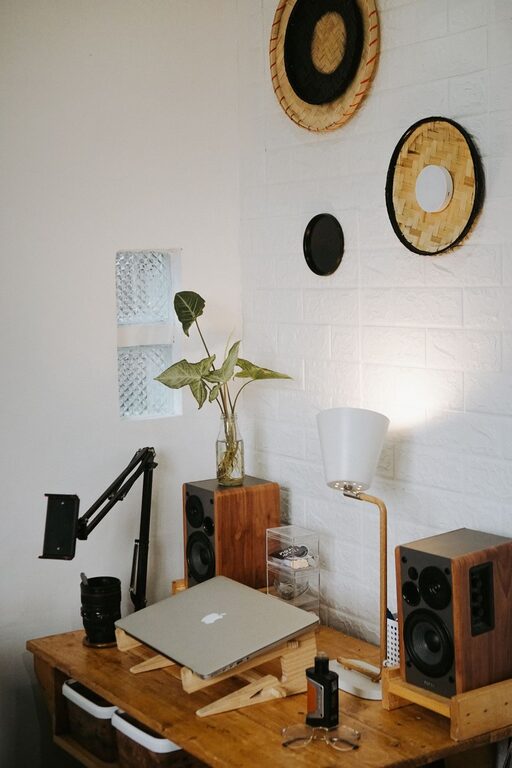
Tips for Creating a Cozy and Productive Home Office Space
Discover simple and effective tips to design a home office that balances comfort and productivity, [...]
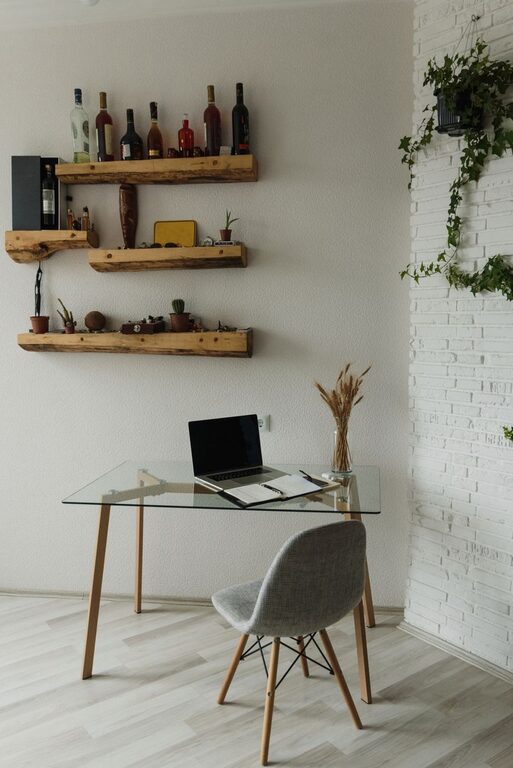
Tips for Creating a Cozy and Organized Home Office Space
Design a home office that’s both comfortable and clutter-free with these practical tips for a [...]
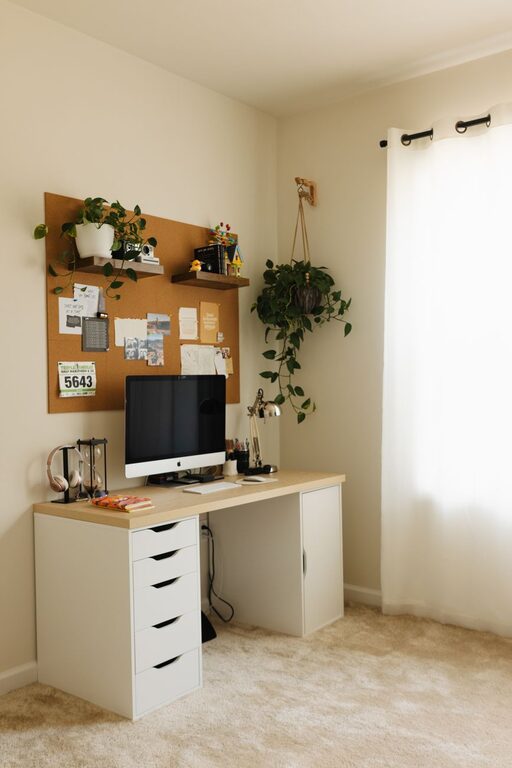
Tips for Creating a Cozy and Functional Home Office Space
Discover simple ways to design a home office that's both comfortable and efficient, making your [...]